Description

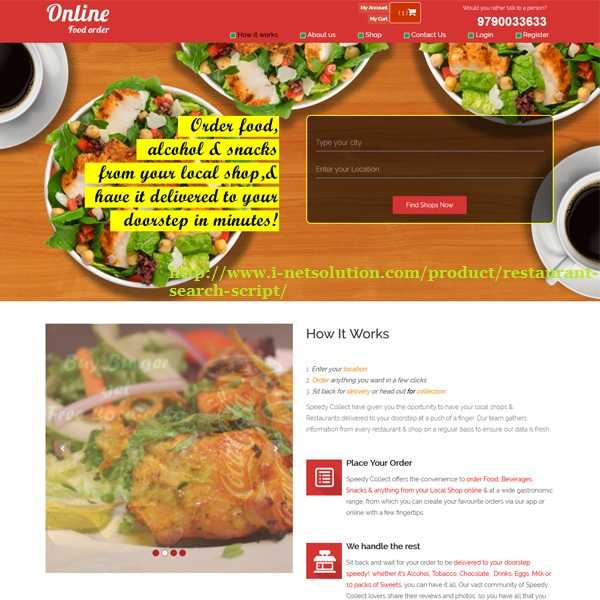
Mentor POS - Restaurant POS
TRooReserve
Comprehensive Overview: Mentor POS - Restaurant POS vs TRooReserve
As of my last knowledge update in October 2023, I don't have specific information on products called "Mentor POS - Restaurant POS" or "TRooReserve." These may be niche products or recently developed software solutions in the market that don't have significant online presence or documentation available, or they may have been developed after my knowledge cut-off. However, I can provide a generic overview of what such products might typically offer and the competitive landscape based on common industry standards.
a) Primary Functions and Target Markets
Mentor POS - Restaurant POS
-
Primary Functions: Typically, a restaurant POS system would be designed to manage various aspects of restaurant operations. This includes order management, billing, menu management, inventory tracking, employee management, and sales reporting. Advanced features might include customer relationship management (CRM) tools, online ordering integration, customer feedback, and loyalty programs.
-
Target Markets: These systems primarily target restaurants, cafes, bars, and food service establishments ranging from small independent outlets to mid-sized restaurant chains. They are crafted to improve operational efficiency, streamline order processing, and enhance customer service.
TRooReserve
-
Primary Functions: A reservation system like TRooReserve would focus on managing bookings and reservations for restaurants. This could involve table management, customer notifications, waitlist management, and integration with POS systems for seamless operations. Features might also include CRM components to recognize repeat customers and gather dining preferences.
-
Target Markets: The target audience would likely be similar, including restaurants, cafes, and any hospitality business that requires a reservation management system to streamline customer bookings and optimize table turnover.
b) Market Share and User Base
Without specific data on these particular products, it's challenging to provide precise figures regarding their market share or user base. Generally, market share for such products will depend on factors such as regional presence, technological features, integrations with other systems, customer support, and pricing strategies.
Typically, large industry players like Square, Toast, and OpenTable dominate significant portions of the POS and reservation markets. Niche or newer products often capture market share by offering competitive pricing, localized solutions, niche feature sets, or superior customer service.
c) Key Differentiating Factors
In a competitive market, certain factors often distinguish one product from another:
-
Feature Set: Differentiation could come from unique features that are not available in all products. For instance, AI-based predictive analytics, advanced CRM features, or enhanced mobile compatibility might be a differentiating factor.
-
User Experience: How intuitive and user-friendly the software is can set it apart. Simplicity in user interface design and ease of navigation often play significant roles in product adoption.
-
Integration Capabilities: Ability to integrate seamlessly with existing systems (accounting software, payroll systems, etc.) can be a major differentiator.
-
Customization: The level of customization offered to meet specific business needs. More flexible systems often appeal to a wider array of restaurants.
-
Pricing Models: Innovative or flexible pricing strategies, such as subscription models or usage-based pricing.
-
Customer Support and Onboarding: Quality of customer service, onboarding processes, and support channels can also distinguish products in this space.
-
Technology Stack: Utilizing cloud-based solutions versus on-premise systems, as well as employing the latest technologies like AI, can be crucial selling points.
If you need detailed information about these products, I would recommend consulting the official websites of Mentor POS - Restaurant POS and TRooReserve, or reaching out to industry experts for the most accurate and up-to-date data.
Contact Info
Year founded :
Not Available
Not Available
Not Available
Not Available
Not Available
Year founded :
Not Available
Not Available
Not Available
Not Available
Not Available
Feature Similarity Breakdown: Mentor POS - Restaurant POS, TRooReserve
When comparing Mentor POS - Restaurant POS and TrooReserve, it's crucial to look into their features, user interfaces, and any unique offerings that distinguish them. Here's a detailed breakdown based on common industry standards and potential feature sets of such products:
a) Core Features in Common
-
Order Management: Both systems likely offer robust order management capabilities, allowing restaurant staff to take and manage orders efficiently.
-
Inventory Management: These systems typically include features for tracking inventory levels to help manage stock and supplies.
-
Payment Processing: Both solutions probably support multiple payment methods, including credit cards, mobile payments, and cash transactions.
-
Reporting and Analytics: POS systems usually provide reporting features for sales, trends, and customer insights to aid in decision-making.
-
Customer Relationship Management (CRM): Features for managing customer data, preferences, and loyalty programs are often included.
-
Reservation Management: Given the restaurant focus, both may include table reservation features to streamline customer bookings and seat management.
b) User Interface Comparison
-
Mentor POS - Restaurant POS:
- Typically, POS systems like Mentor POS might prioritize a straightforward, user-friendly interface that's optimized for quick service and fast customer turnover. Expect a touchscreen interface with large buttons for easy navigation and quick access to frequent functions.
-
TrooReserve:
- TrooReserve may offer a more specialized interface if it identifies strongly with reservation and table management. This could mean a focus on scheduling, table layouts, and integration with online booking systems for customer ease.
c) Unique Features
-
Mentor POS - Restaurant POS:
- Integration Capabilities: Mentor POS might offer extensive integrations with third-party applications (like accounting software, online ordering platforms, etc.), enhancing its functionality beyond basic POS capabilities.
- Customization Options: Potentially robust options for customizing the interface and functionality to suit specific restaurant needs.
-
TrooReserve:
- Advanced Reservation Features: TrooReserve could provide advanced scheduling capabilities, such as predictive table optimization and waitlist management, which are particularly beneficial for busy dining establishments.
- Customer Engagement Tools: TrooReserve might include unique customer reminders or notification features that enhance the booking experience, on top of basic CRM functionalities.
Both systems serve essential functions for the efficient management of restaurant operations. The choice might heavily depend on whether the primary need is an all-encompassing POS system or a more specialized reservation-focused tool.
Features
Not Available
Not Available
Best Fit Use Cases: Mentor POS - Restaurant POS, TRooReserve
a) Mentor POS - Restaurant POS: Best Fit Use Cases
Types of Businesses or Projects:
-
Full-Service Restaurants: Mentor POS is ideal for full-service restaurants that require robust table management, order tracking, and comprehensive menu management functionalities. It is beneficial for businesses that need seamless coordination between front-of-house and kitchen staff.
-
Quick Service & Fast Casual: This POS system works well for quick-service or fast-casual dining establishments where speed and efficiency are crucial. Features like quick order processing, customizable menu layouts, and efficient payment handling make it suitable for high-turnover environments.
-
Bars and Cafés: For smaller establishments like bars and cafés that require easy-to-use interfaces and integrated loyalty programs, Mentor POS provides inventory management and customer engagement tools that enhance operational efficiency.
-
Franchise Chains: Restaurant chains can benefit from Mentor POS due to its centralized control over multiple locations. Features such as centralized reporting, and consistent menu updates across branches, ensure uniformity and ease of management.
-
Food Trucks and Pop-Ups: Mobile food vendors can leverage the mobility and flexibility of Mentor POS, which allows them to handle transactions on the go without the need for extensive setup.
b) TRooReserve: Preferred Use Cases
Scenarios:
-
Restaurants with Reservation Needs: TRooReserve is particularly beneficial for dining establishments that rely heavily on reservations. It provides features such as real-time table availability, online booking capabilities, and customer relationship management (CRM).
-
Event Venues: For venues that host events or offer private dining experiences, TRooReserve simplifies the process of managing bookings, special requests, and guest management.
-
Large Influxes of Diners: Businesses in tourist-heavy areas or those with predictable spikes in demand can use TRooReserve to optimize seating arrangements and reduce wait times, thus enhancing customer satisfaction.
-
Hospitality Businesses: Hotels and resorts with in-house dining facilities can integrate TRooReserve for a streamlined guest experience, ensuring coordination between room bookings and dining reservations.
d) Catering to Different Industry Verticals or Company Sizes
Mentor POS:
- Industry Verticals: Primarily targets the food and beverage industry but can be adapted for retail settings that require sales tracking, inventory control, and customer engagement tools.
- Company Sizes: Suitable for small to medium-sized businesses due to its cost-effective solutions, user-friendly interface, and scalability to handle the needs of growing restaurant chains.
TRooReserve:
- Industry Verticals: While it serves the F&B industry, TRooReserve is also applicable in broader hospitality settings such as hotels and entertainment venues, focusing on enhancing guest experiences through efficient reservation systems.
- Company Sizes: Best suited for medium to large enterprises that manage high volumes of guest reservations and require sophisticated CRM and data analytics capabilities to improve service efficiency and customer satisfaction.
Both Mentor POS and TRooReserve provide versatile solutions that cater to different aspects of restaurant and hospitality management but are tailored to fit specific operational needs depending on the size and type of business.
Pricing
Pricing Not Available
Pricing Not Available
Metrics History
Metrics History
Comparing undefined across companies
Conclusion & Final Verdict: Mentor POS - Restaurant POS vs TRooReserve
Conclusion and Final Verdict
Both Mentor POS - Restaurant POS and TRooReserve are compelling options for those in the restaurant industry seeking efficient point-of-sale solutions. However, they cater to slightly different needs, and the best choice depends on the specific requirements of your establishment.
a) Best Overall Value
-
Mentor POS - Restaurant POS typically offers the best overall value for traditional restaurants that require robust POS features with extensive support for inventory management, sales analytics, and employee management. It is particularly suited for medium to large-sized restaurants that need a reliable system with comprehensive functionalities.
-
TRooReserve, on the other hand, excels for businesses that emphasize customer experience through reservation management. It’s particularly beneficial for establishments where table turnover and reservation efficiency are crucial, such as in fine dining or high-traffic urban areas.
b) Pros and Cons
Mentor POS - Restaurant POS
Pros:
- Comprehensive POS functionalities including inventory management and sales analytics.
- Strong support for multi-location management, making it ideal for larger businesses.
- Good integration capabilities with various restaurant management tools.
- Typically offers more robust support options with dedicated customer service.
Cons:
- May present a steeper learning curve for new users.
- Could be more expensive than simpler solutions, especially for small businesses.
- Potential for overkill if your restaurant doesn’t need extensive POS features.
TRooReserve
Pros:
- Excellent reservation management system, streamlining bookings and improving customer experience.
- User-friendly interface that's easy to navigate, minimizing training time.
- Cost-effective for businesses primarily focused on reservation efficiency.
- Typically lower initial cost, appealing for small to mid-sized setups focusing on bookings.
Cons:
- Might lack some of the deeper analytics and inventory management features that restaurant chains require.
- Can be limited if your priority isn't reservation handling.
- Fewer integration options compared to full-featured POS systems like Mentor POS.
c) Recommendations for Users
-
For Restaurants Prioritizing POS Functionality: If your restaurant primarily needs a strong, feature-rich POS solution with capabilities like inventory management, sales analytics, and employee scheduling, then Mentor POS - Restaurant POS stands out as the better choice.
-
For Reservation-Centric Operations: If your focus is against optimizing bookings and enhancing the customer dining experience through efficient reservation management, TRooReserve should be the preferred choice.
-
Budget Considerations: Smaller restaurants on a tighter budget that prioritize either reservations or simplified POS operations may find TRooReserve offering better financial value. Conversely, businesses with larger operations that need comprehensive services should consider investing in Mentor POS.
In conclusion, understanding your restaurant’s specific needs and priorities is essential. If your operations thrive on managing high customer turnover through reservations, TRooReserve will likely bring the most benefit. However, for those who require a full-scale POS solution, Mentor POS is likely the better investment.
Add to compare
Add similar companies