Description
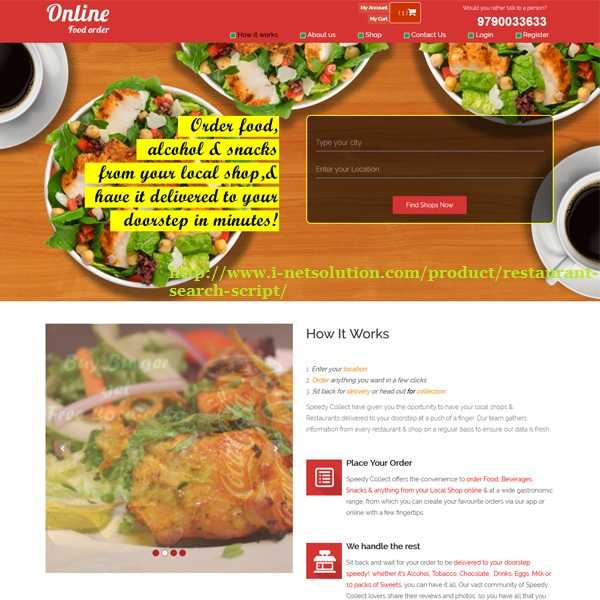
Advanced Just Eat clone

Owl Ops
Comprehensive Overview: Advanced Just Eat clone vs Owl Ops
Certainly! Here's a comprehensive overview of an advanced Just Eat clone, Owl Ops, highlighting its primary functions, target markets, market share, user base, and key differentiators:
a) Primary Functions and Target Markets
Primary Functions:
-
Online Ordering System: Like Just Eat, Owl Ops allows users to browse menus, select items, and place orders for delivery or pick-up from a range of local restaurants.
-
Restaurant Management Dashboard: Offers tools for restaurant owners to manage orders, menus, pricing, and promotions in real time.
-
Customer Relationship Management (CRM): Provides features for customer engagement, retention, and loyalty programs.
-
Delivery Management: Includes functionalities to optimize delivery routes, track orders in real-time, and manage delivery personnel efficiently.
-
Payment Processing: Supports secure payment options, including credit/debit cards, digital wallets, and possibly cryptocurrencies.
-
Analytics and Reporting: Offers detailed insights into sales, customer preferences, and operational efficiency to help businesses make data-driven decisions.
Target Markets:
-
Restaurants and Food Chains: Owl Ops targets independent restaurants, small and medium-sized enterprises (SMEs), and even larger food chains aiming to streamline their online ordering and delivery processes.
-
Delivery Services: Cooperates with third-party delivery services or employs its fleet to ensure efficient food distribution.
-
Consumers: Focused primarily on tech-savvy, convenience-seeking customers looking to order food online with ease.
b) Market Share and User Base
Market Share:
Owl Ops, being a Just Eat clone, operates in the competitive online food ordering and delivery market. The market share would largely depend on its geographical presence, marketing strategies, and partnership networks.
- Global/Regional Presence: If focused on a particular region or country, Owl Ops might capture a significant share by catering to local tastes and preferences.
- Competition: Faces competition from established players like Just Eat, Uber Eats, Grubhub, and Deliveroo, which may impact its overall market share.
User Base:
- Customer Base: Includes a diverse demographic of users who prefer the convenience of ordering food online.
- Restaurant Partners: The user base also encompasses a large number of restaurant partners looking for technology solutions to reach more customers and manage operations.
c) Key Differentiating Factors
-
Customization and Flexibility:
- Owl Ops might offer superior customization options for restaurants, allowing them to tailor the platform to their unique needs — something that might not be as flexible with Just Eat.
-
Technology Integration:
- Potentially integrates newer technologies such as AI for customer recommendations, blockchain for secure transactions, or IoT for inventory management, providing a tech-driven edge.
-
Pricing Model:
- Offers competitive, perhaps more transparent pricing models for restaurants, possibly with lower commission fees compared to Just Eat, making it an attractive alternative for small businesses.
-
Focus on Localized Services:
- Depending on its deployment and strategy, Owl Ops might focus heavily on local cuisines and delivery services, offering a more personalized experience than a global giant like Just Eat.
-
Advanced Data Analytics:
- Provides in-depth analytics and business intelligence tools to its restaurant partners, helping them optimize operations and marketing strategies effectively.
-
Enhanced User Experience:
- Possibly uses a more intuitive interface and user experience design that caters specifically to the needs of its target market, resulting in better engagement and retention.
Overall, while Owl Ops serves similar functions to Just Eat, its success would hinge on its ability to innovate, adapt to local markets, and differentiate effectively in a competitive landscape.
Contact Info
Year founded :
Not Available
Not Available
Not Available
Not Available
Not Available
Year founded :
Not Available
Not Available
Not Available
Not Available
Not Available
Feature Similarity Breakdown: Advanced Just Eat clone, Owl Ops
When examining an Advanced Just Eat clone and Owl Ops, it's important to recognize both the commonalities and the distinctions. Here’s a detailed breakdown:
a) Core Features in Common
-
Online Ordering System:
- Both platforms enable users to order food from a selection of restaurants.
- Options for delivery and takeaway are available.
-
User Accounts and Profiles:
- Users can create and manage accounts.
- Previous orders and favorite restaurants can be saved for quick access.
-
Restaurant Listings:
- Restaurants are listed with menus, prices, and customer reviews.
- Users can search and filter based on location, cuisine, and other preferences.
-
Payment Integration:
- Both allow for various payment methods such as credit/debit cards, online wallets, etc.
- Secure checkout processes are implemented.
-
Real-Time Order Tracking:
- Users can track the status of their order from preparation to delivery.
-
Ratings and Reviews:
- Customers can rate their experience and leave reviews for restaurants.
-
Promotions and Discounts:
- Both offer promotion codes, discounts and loyalty programs to enhance user engagement.
b) User Interface Comparison
-
Design Aesthetics:
- An Advanced Just Eat clone typically mimics the clean, user-friendly interface of Just Eat with an emphasis on easy navigation and a straightforward process from browsing to checkout.
- Owl Ops may have a more operational or utilitarian interface, especially if it's geared towards restaurant management alongside ordering. It might emphasize functionality over aesthetic appeal.
-
Navigation and User Flow:
- Both systems prioritize a seamless experience; however, Owl Ops might include additional layers of navigation for operational tasks if it’s also designed for restaurant operators, not just consumers.
-
Mobile Optimization:
- Both would have mobile-responsive designs, but the emphasis again might differ. While the Just Eat clone focuses on customer experience, Owl Ops might need to ensure that operational management tools are also accessible on mobile devices.
c) Unique Features
-
Owl Ops Unique Features:
- Operational Management Tools: If aimed at restaurant operators, Owl Ops could include features like inventory management, staff scheduling, and detailed analytics.
- Enhanced Communication: Direct communication features between kitchen staff and delivery personnel.
- Business Intelligence Reporting: Advanced reporting tools for operators to track various metrics like sales, staff performance, and customer retention.
-
Advanced Just Eat Clone Unique Features:
- Expandability for Consumer Engagement: It might have integrations with social media or extended loyalty programs to attract a larger customer base.
- Augmented Reality Features: For a more interactive experience, some advanced clones might incorporate AR to visualize food items.
In summary, while both platforms are designed for food ordering and delivery, the Just Eat clone is likely more consumer-centered, whereas Owl Ops might integrate tools supportive of restaurant operations in addition to facilitating ordering. Their interfaces would reflect these priorities, with unique features setting them apart based on their target users.
Features
Not Available
Not Available
Best Fit Use Cases: Advanced Just Eat clone, Owl Ops
The Advanced Just Eat clone and Owl Ops cater to different business needs and scenarios, and understanding their fit helps in choosing the right solution for a project or business. Here’s a detailed look at their best fit use cases:
Advanced Just Eat Clone
a) Types of Businesses or Projects
-
Food Delivery Startups: Perfect for entrepreneurs looking to launch a food delivery service. The robust features of a Just Eat clone, like restaurant listings, menu management, and order tracking, make it ideal for quickly entering the market.
-
Multi-Vendor Marketplaces: Businesses aiming to create a platform where multiple restaurants or food vendors can list their offerings find Just Eat clones highly adaptable. This model supports commission-based revenue generation.
-
Established Restaurants Diversifying Revenue Streams: Restaurants that wish to extend their business model to include delivery services can benefit by using a turnkey Just Eat clone solution.
-
Niche Food Delivery Services: This can include specialized delivery, like vegan, gluten-free, or organic food deliveries targeting specific consumer needs.
Catering to Industry Verticals and Company Sizes
- Industry Verticals: Primarily focuses on the food and beverage industry, but adaptable for groceries or any other delivery services.
- Company Sizes: Best suited for small to medium-sized businesses looking to quickly scale their operations and reach a broad audience.
Owl Ops
b) Preferred Scenarios
-
Restaurant Operations Management: Ideal for restaurant chains aiming to streamline operations, from inventory management to staff scheduling and maintenance tasks.
-
Multi-location Businesses: Businesses with multiple outlets benefit from Owl Ops by having centralized control and oversight of operations, ensuring consistency and efficiency across locations.
-
Maintenance-focused Operations: Restaurants or hospitality venues that require rigorous maintenance scheduling can use Owl Ops to keep track of equipment, repairs, and compliance checks.
-
Work Order and Task Management: If the focus is on improving workforce productivity and accountability, Owl Ops provides a solution for detailed task tracking and management.
Catering to Industry Verticals and Company Sizes
- Industry Verticals: While primarily serving the restaurant and hospitality sectors, it can also be adapted to retail or other multi-location businesses needing operational oversight.
- Company Sizes: Suitable for medium to large-sized businesses where a complex level of operational management and reporting is required.
Comparison and Conclusion
While both the Advanced Just Eat clone and Owl Ops revolve around the food and service industries, they cater to different aspects of the business lifecycle:
- Just Eat Clone is more focused on customer-facing functions like ordering and delivery, making it best for businesses that need a comprehensive front-end solution to enter the market or expand their reach.
- Owl Ops focuses on backend efficiency, offering solutions to optimize internal operations, making it ideal for established businesses needing to streamline and enhance existing processes.
Choosing between these products depends on whether the business focus is on expanding customer reach and revenue through delivery (Just Eat clone) or improving operational efficiencies (Owl Ops).
Pricing
Pricing Not Available
Pricing Not Available
Metrics History
Metrics History
Comparing undefined across companies
Conclusion & Final Verdict: Advanced Just Eat clone vs Owl Ops
When evaluating Advanced Just Eat clone and Owl Ops, it is important to consider various factors such as cost, features, scalability, user experience, and support. Each product has its own strengths and limitations, which can influence the decision depending on the specific needs of the business.
Conclusion and Final Verdict
a) Best Overall Value
Owl Ops offers the best overall value for businesses that prioritize operational efficiency and streamlined restaurant management. Its software is particularly beneficial for those seeking to integrate inventory management, team collaboration, and maintenance tracking into a single platform. On the other hand, the Advanced Just Eat clone provides excellent value for enterprises focused on delivering a sophisticated food delivery and ordering system, appealing to businesses that aim to directly compete in the online food delivery market.
b) Pros and Cons
Advanced Just Eat Clone
-
Pros:
- Comprehensive ordering and delivery system.
- User-friendly interface with robust customization options.
- Strong focus on customer engagement and retention features, such as loyalty programs.
- Scalable solution for businesses looking to expand.
-
Cons:
- May require significant upfront investment and customization for niche needs.
- Primarily focused on the frontend customer experience, potentially lacking in backend operational tools.
Owl Ops
-
Pros:
- Excellent for managing restaurant operations comprehensively.
- Facilitates team communication and task management.
- Integrates inventory and maintenance tracking, reducing operational downtime.
- Cost-effective for businesses prioritizing operational efficiency.
-
Cons:
- Less focused on customer-facing features, such as delivery and marketing tools.
- May require additional integration if needing enhanced customer engagement functions.
c) Recommendations
For businesses primarily focused on launching or enhancing a food delivery service, the Advanced Just Eat clone is the recommended choice, particularly if they aim to penetrate or strengthen their position in the online food delivery market. Its consumer-oriented features and scalability are ideal for such objectives.
Conversely, for restaurants and chains prioritizing internal efficiency, team management, and operational maintenance, Owl Ops is advisable. It provides essential tools for improving back-of-house operations, making it suitable for establishments looking to optimize internal processes rather than consumer-facing interactions.
In summary, the decision between the Advanced Just Eat clone and Owl Ops should hinge on whether the priority is enhancing customer interactions and scaling a delivery service or improving internal restaurant operations and efficiency. Users should carefully evaluate their business model, current needs, and growth plans to make the most informed choice.
Add to compare
Add similar companies