Description
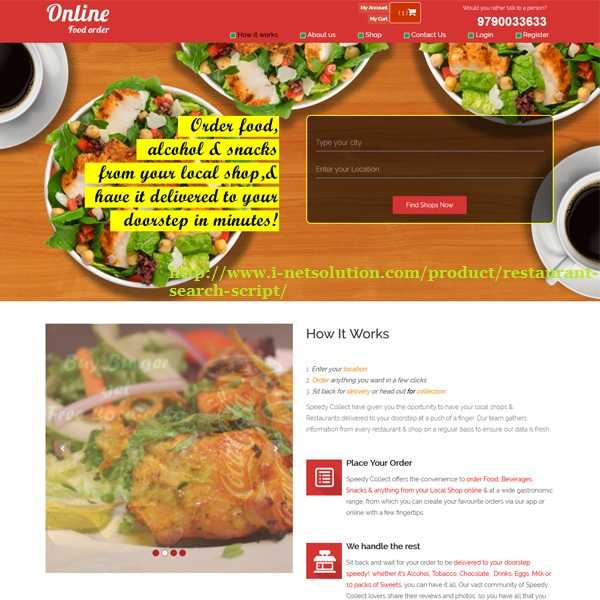
Advanced Just Eat clone

Bar Beverage Control

Recipe Costing
Comprehensive Overview: Advanced Just Eat clone vs Bar Beverage Control vs Recipe Costing
When examining the niche market of restaurant management and food delivery software, products such as advanced Just Eat clones, Bar Beverage Control systems, and Recipe Costing tools serve distinct yet sometimes overlapping functions. Here's an overview of each, focusing on primary functions, target markets, market share, user base, and key differentiators:
a) Primary Functions and Target Markets
Advanced Just Eat Clone:
-
Primary Functions:
- Order Management: Streamlines the process of receiving and managing online food orders.
- Delivery Coordination: Facilitates delivery logistics for restaurants, including driver management and route optimization.
- Customer Management: Manages customer profiles, feedback, and loyalty programs.
- Menu Management: Enables dynamic menu changes and promotion management.
- Payment Processing: Secure, seamless integration with various payment gateways.
-
Target Markets:
- Restaurants and fast-food chains looking to set up an online ordering system.
- Entrepreneurs seeking to start an online food delivery platform.
- Catering businesses that require an integrated order and delivery system.
Bar Beverage Control System:
-
Primary Functions:
- Inventory Management: Tracks beverage levels, predicts stock replenishment.
- Pour Monitoring: Ensures controlled dispensing to minimize waste and theft.
- Sales Analysis: Provides detailed reports on sales, profits, and losses.
- Supplier Management: Facilitates ordering and tracking from multiple suppliers.
-
Target Markets:
- Bars, pubs, and nightclubs aiming to optimize beverage inventory and reduce waste.
- Restaurant chains that include significant bar service.
- Event venues with substantial beverage service operations.
Recipe Costing:
-
Primary Functions:
- Cost Analysis: Calculates the cost per recipe or dish, factoring in ingredient prices.
- Menu Pricing: Helps determine optimal pricing for menu items.
- Profit Margin Tracking: Analyzes margins per dish or overall menu offerings.
- Ingredient Management: Tracks consumption and purchasing patterns to optimize costs.
-
Target Markets:
- Independent restaurants looking to manage food costs and improve profitability.
- Catering businesses requiring accurate financial planning and costing.
- Culinary schools and institutions for educational purposes in cost management.
b) Market Share and User Base
-
Advanced Just Eat Clones:
- These clones have a relatively fragmented market share, with numerous small developers and SaaS providers competing.
- The user base primarily consists of small to medium-sized food businesses and startups entering the food delivery space.
-
Bar Beverage Control Systems:
- Typically a specialized market with a few leading companies (e.g., BevSpot, Partender).
- User base includes medium to large-sized establishments with a significant focus on beverage sales.
-
Recipe Costing Tools:
- A niche market often served by multi-functional POS systems.
- The user base includes small business owners in the food industry, larger restaurants, and catering companies seeking detailed financial oversight.
c) Key Differentiating Factors
-
Advanced Just Eat Clone:
- Customization: High degree of customization for branding and specific business model requirements.
- Cost Efficiency: Generally more cost-effective for startups compared to building an entirely new platform.
- Community and Support: Varied support quality due to the vast range of providers.
-
Bar Beverage Control System:
- Specificity: Tailored specifically for beverage management, offering high precision in inventory tracking.
- Integration with POS: Often integrates deeply with existing POS systems to provide seamless operations.
- Advanced Analytics: Offers detailed analytics specially designed for beverage sales and inventory.
-
Recipe Costing:
- Precision: Provides highly detailed cost breakdowns and margin calculations.
- Education and Training: Often includes resources for staff training on cost management.
- Ingredient-Specific Features: Tools focused on ingredient-level tracking for cost efficiency.
In summary, while these products are tailored for different aspects of food and beverage management, they cater to overlapping segments of the industry. Advanced Just Eat clones aim at enabling entry into the food delivery market, Bar Beverage Control systems focus on optimizing beverage sales operations, and Recipe Costing tools provide detailed financial analytics for better profitability. Each product's effectiveness and appeal largely depend on the specific needs and size of the business utilizing them.
Contact Info
Year founded :
Not Available
Not Available
Not Available
Not Available
Not Available
Year founded :
Not Available
+1 785-820-9926
Not Available
United States
Not Available
Year founded :
Not Available
Not Available
Not Available
Not Available
Not Available
Feature Similarity Breakdown: Advanced Just Eat clone, Bar Beverage Control, Recipe Costing
To provide a comprehensive comparison, let's examine the three products mentioned: an Advanced Just Eat clone, Bar Beverage Control, and Recipe Costing. Although they operate in different areas—food delivery, beverage management, and recipe management—there are some overlaps in features, interfaces, and unique aspects.
a) Core Features in Common
-
Inventory Management:
- Advanced Just Eat Clone: Tracks available items for order.
- Bar Beverage Control: Manages stock levels for ingredients and beverages.
- Recipe Costing: Maintains a database of ingredients and their quantities.
-
Order Management:
- Advanced Just Eat Clone: Processes customer orders.
- Bar Beverage Control: Handles internal orders for stock replenishment.
- Recipe Costing: Not a core feature, but recipes could be thought of as “orders” for the kitchen.
-
Reporting and Analytics:
- Advanced Just Eat Clone: Provides sales data and customer trends.
- Bar Beverage Control: Offers insights into consumption rates and stock usage.
- Recipe Costing: Analyzes cost per dish and overall ingredient usage.
-
User Accounts:
- Advanced Just Eat Clone: Allows for customer profiles and order history.
- Bar Beverage Control: May include staff accounts for tracking usage and permissions.
- Recipe Costing: Includes profiles for chefs or managers to save recipes and preferences.
-
Mobile and Web Accessibility:
- All three products might offer access through mobile apps or web platforms for ease of use.
b) User Interface Comparisons
-
Advanced Just Eat Clone:
- Focused on customer experience with intuitively designed menus, search functionality, and streamlined checkout.
- Visual emphasis on imagery and user reviews for enhancing customer decision-making.
-
Bar Beverage Control:
- Interface tailored for efficiency and speed, providing quick access to stock levels, order buttons, and reporting tools.
- Utilizes dashboards and visual cues to alert staff to low inventory or required actions.
-
Recipe Costing:
- Often features a straightforward interface with forms for inputting recipe data and calculating costs.
- Simplified navigation for editing recipes, viewing costs, and generating reports.
c) Unique Features
-
Advanced Just Eat Clone:
- May include advanced customer features like delivery tracking, detailed restaurant info, and integration with payment systems.
- Could offer promotions, loyalty programs, and personalized recommendations based on past orders.
-
Bar Beverage Control:
- Features for automatic stock reordering and integration with suppliers.
- Specialized tools for recipe creation and adjustment specific to bar inventory, such as cocktail management.
-
Recipe Costing:
- Detailed cost analysis per recipe or menu item, factoring in current market prices.
- Menu optimization tools that suggest ingredient substitutions to maintain target profit margins.
Each product, while sharing some foundational features, is specialized with unique capabilities tailored to its target use-case. Understanding these distinctions helps businesses choose the right solution for their needs.
Features
Not Available
Not Available
Not Available
Best Fit Use Cases: Advanced Just Eat clone, Bar Beverage Control, Recipe Costing
To identify the best fit use cases for the Advanced Just Eat clone, Bar Beverage Control, and Recipe Costing, let's explore how each can be applied across different types of businesses, scenarios, and industry verticals or company sizes.
a) Advanced Just Eat Clone:
Types of Businesses/Projects:
- Food Delivery Startups: Entrepreneurs aiming to launch an online food delivery service similar to Just Eat, Uber Eats, or DoorDash.
- Restaurants & Chains: Businesses looking to expand their market reach by offering home delivery and takeout services through their platform.
- Multi-Vendor Platforms: Projects focusing on creating a marketplace that aggregates offerings from multiple restaurants for customers.
Best Fit Scenarios:
- Multi-Cuisine Collaboration: Ideal for platforms wanting to offer a wide variety of cuisines by partnering with numerous restaurants.
- Urban and Dense Areas: Regions with high population density where on-demand food delivery services can thrive.
- Customization Needs: Businesses seeking customizable solutions for unique branding, features, or payment integrations.
b) Bar Beverage Control:
Preferred Scenarios:
- Nightclubs and Bars: Establishments where managing beverage inventory efficiently is critical due to high volume and value.
- Resorts and Hotels: Venues with multiple bar locations and a need for streamlined beverage inventory management across premises.
Industry and Business Sizes:
- Small & Medium Enterprises (SMEs): Businesses that require efficient inventory control to minimize waste and maximize profits.
- Large Chains/Franchises: Brands operating multiple locations, where centralized inventory management ensures consistency and cost control.
c) Recipe Costing:
Considerations for Use:
- Restaurant Chains: Businesses that need to maintain precise and consistent food quality and portion control across locations.
- Catering Services: Companies offering customized menus requiring detailed cost estimation of recipes for pricing strategies.
- Food Manufacturing: Enterprises needing to calculate ingredient costs for packaged food products, aiding in price setting and profit analysis.
Target Users and Industries:
- Independent Restaurants: Owners and chefs seeking to optimize menu pricing based on accurate ingredient costing.
- Verticals such as Bakeries or Confectioneries: Businesses dealing with fluctuating ingredient prices needing tools to adjust costs and prices dynamically.
d) Catering to Different Industry Verticals or Company Sizes:
-
Advanced Just Eat Clone:
- Industry Vertical: Primarily food and beverage; restaurants, fast-food chains, and online marketplaces.
- Company Size: Suitable for startups to large enterprises seeking scalability and flexibility in expanding delivery operations.
-
Bar Beverage Control:
- Industry Vertical: Hospitality, nightlife, and entertainment venues.
- Company Size: From single-location bars to extensive hotel chains requiring precise beverage management systems.
-
Recipe Costing:
- Industry Vertical: Food services, catering, production, and hospitality.
- Company Size: Small-scale businesses to large food production companies needing granular cost analysis for various applications.
Each product addresses specific needs within the food and beverage industry, enabling tailored solutions based on the operational scale and focus of the business. By understanding these use cases and scenarios, businesses can choose solutions that align with their strategic goals and operational requirements.
Pricing
Pricing Not Available
Pricing Not Available
Pricing Not Available
Metrics History
Metrics History
Comparing undefined across companies
Conclusion & Final Verdict: Advanced Just Eat clone vs Bar Beverage Control vs Recipe Costing
Conclusion and Final Verdict
After evaluating Advanced Just Eat clone, Bar Beverage Control, and Recipe Costing, it's clear that each product serves distinct purposes and audiences. Nevertheless, they share the common goal of streamlining operations and improving efficiency in their respective sectors. Below is an analysis of which product offers the best overall value, the pros and cons of each, and recommendations for potential users.
a) Considering all factors, which product offers the best overall value?
The best overall value largely depends on the user's specific needs:
-
Advanced Just Eat Clone: Best suited for businesses focused on food delivery services. Offers significant value for companies looking to enter or enhance their presence in the food delivery market due to its comprehensive features tailored to online ordering and delivery.
-
Bar Beverage Control: Ideal for bars and restaurants aiming to reduce waste and optimize inventory management for beverages. This product offers excellent value for establishments where beverage sales are significant, and precision in monitoring inventory can lead to substantial savings.
-
Recipe Costing: Provides enhanced value for restaurants and catering services keen on improving margin management through precise cost tracking of individual menu items. It's vital for businesses focused on maintaining profitability by controlling recipe expenses.
In terms of broad applicability and potential cost savings across various types of food and beverage establishments, Bar Beverage Control may offer the best overall value due to its capacity to streamline operations and minimize waste, directly impacting the bottom line.
b) Pros and Cons of Choosing Each Product
Advanced Just Eat Clone:
-
Pros:
- Comprehensive suite for setting up food ordering and delivery services.
- Integration with multiple payment gateways.
- Customizable interface for branding purposes.
-
Cons:
- High initial setup cost for new businesses.
- Requires constant updates to keep up with tech trends and customer expectations.
- May include features not required by all users, adding complexity.
Bar Beverage Control:
-
Pros:
- Excellent for waste reduction and inventory control in beverage management.
- Helps in cost optimization and enhancing profit margins.
- User-friendly with potential integration options for POS systems.
-
Cons:
- Primarily focuses on beverages, offering limited utility for food-centric establishments.
- May require training for staff unfamiliar with inventory tech systems.
- Ongoing costs associated with software updates and support.
Recipe Costing:
-
Pros:
- Precise tracking of ingredient costs and recipe profitability.
- Potential to easily update and manage menu pricing.
- Helps in strategic menu planning and reducing food wastage.
-
Cons:
- Narrow focus makes it less useful for businesses with diverse operational needs.
- High dependency on accurate input data to function effectively.
- May require integration with existing systems to maximize benefits.
c) Specific Recommendations for Users
-
For Businesses Focused on Food Delivery: Opt for the Advanced Just Eat clone if your priority is building a robust online presence and providing an efficient order and delivery system.
-
For Beverage-Centric Establishments: Choose Bar Beverage Control if your main concern is managing beverage inventory and minimizing losses due to spoilage or theft.
-
For Cost-Conscious Culinary Operations: Go with Recipe Costing if your goal is to maintain tight control over food expenses and boost overall profitability through better menu management.
Ultimately, the decision should be based on a careful evaluation of each business's specific operational needs and long-term strategic goals. Users should also consider trial versions or demonstrations when available to assess which solution best aligns with their operational workflow.