Get a recommendation
Tell us your requirements and our advisors will help you compare and shortlist the best-fit options, free and unbiased.
A real human, fast
Someone on our team replies within one business day, no bots, no ticket queue.
Routed to the right team
Buying, selling, partnering, or investing, you reach the people who can actually help.
Independent & unbiased
No pushy sales. Just honest guidance grounded in the ecosystem.
Tailored to your context
Tell us what you need and we shape the next steps around it.
Who are you? Pick the option that fits best.
103 Listings in Healthcare Software Available
Doctor Anywhere is a Southeast Asian digital-health platform that connects patients with doctors, specialists, and health services through one app across Singapore and the region. It offers video consultations, medication delivery, health screenings, specialist referrals, and marketplace health products, and works with insurers and companies on employee health benefits. The platform covers video teleconsultations, medication and delivery, specialist and in-person referrals, health screening and wellness, and corporate and insurance health programs, with a free consumer app (pay per consultation or service) and quote-based B2B services for employers and insurers. Its integrated telehealth-plus-services network across Southeast Asia differentiates it. Doctor Anywhere serves Southeast Asian consumers seeking convenient care and companies and insurers offering health benefits. With millions of users across multiple markets, its telehealth, delivery, and health ecosystem make it a leading digital-health platform in the region.
Capabilities
Deployment
Compliance
Axxess Home Health is a software product listed on Saaskart. Compare Axxess Home Health against alternatives on pricing, features, integrations, and verified reviews. This profile is unclaimed, if you represent Axxess Home Health, you can claim it to add full details.
Capabilities
Deployment
Compliance
Saaskart Market Grid™
Explore how leading Healthcare Software solutions compare based on customer satisfaction, market presence, adoption, and buyer feedback. The Market Grid helps you identify category leaders, high-performing solutions, and emerging products within the Healthcare Software ecosystem.
Category Leader

Wellsky Personal Care
#1 in Healthcare Software
Best Value Healthcare Software

Spruce Health
From $24/mo
Trending
Wellsky Personal Care
Most viewed
Market Insights
Derived from live Saaskart marketplace data, engagement, reviews, and pricing for this category.
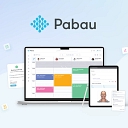
Pabau is an all-in-one practice management platform built for clinics, medical spas, and healthcare practices. It combines scheduling and online booking, electronic medical records, a patient portal, digital forms and consents, photo and document management, payments and POS, invoicing and quotes, inventory, marketing automation, lead management and CRM, and reporting. Used by 3,500+ clinics across nearly 40 countries, Pabau helps practices run front desk, clinical, and marketing operations in one place. Pabau is priced by subscription by team size, from around £50/month for Starter, with most tiers quoted via demo and add-ons available.
Capabilities
Deployment
Compliance
Oracle Healthcare Cloud is a software product listed on Saaskart. Compare Oracle Healthcare Cloud against alternatives on pricing, features, integrations, and verified reviews. This profile is unclaimed, if you represent Oracle Healthcare Cloud, you can claim it to add full details.
Capabilities
Deployment
Compliance
Meditab is a software product listed on Saaskart. Compare Meditab against alternatives on pricing, features, integrations, and verified reviews. This profile is unclaimed, if you represent Meditab, you can claim it to add full details.
Deployment
Compliance
ALIS (Assisted Living Intelligent Solutions), from Medtelligent, is an electronic health records and management platform for assisted living and memory care communities of all sizes across the U.S. Purpose-built for senior care, it combines clinical, medication, and business tools to help communities deliver care and stay compliant across state lines. The platform covers EHR and resident records, full eMAR with drug counting, integrated assessments and care plans, billing, family engagement, and reporting. Its per-resident pricing and compliance features appeal to both single communities and growing portfolios that must manage requirements across multiple states. ALIS serves assisted living and memory care operators, from individual communities to multi-community groups, that want purpose-built senior care software with strong eMAR and compliance. Its long track record and focus on assisted living make it a trusted option in the senior living market.
Deployment
Compliance
Aesthetic Record is a cloud-based EMR and practice management platform built for medical spas, aesthetic clinics, and cosmetic practices. It combines charting, scheduling, e-commerce, and marketing in one HIPAA-compliant system designed around the workflows of injectables, laser, skincare, and other aesthetic services. The platform covers clinical charting with before-and-after photos and consent forms, online booking and scheduling, integrated payments and memberships, inventory, and a built-in marketplace and marketing tools. Its per-user pricing and low startup cost make it accessible to solo injectors and new medspas, while enterprise options support larger multi-location groups. Aesthetic Record serves medical spas, aesthetic and cosmetic clinics, and injectors who want purpose-built software rather than a generic medical EMR. Its blend of clinical documentation, retail, and marketing in one affordable platform makes it one of the most widely used tools in the aesthetics space.
Capabilities
Deployment
Compliance
Klara is a secure patient communication platform that unifies two-way messaging, texting, web chat, and telehealth so practices and patients can converse easily across the care journey. It centralizes conversations from phone, text, and web into one inbox, automates routine outreach and reminders, and keeps communication HIPAA-secure, helping practices reduce phone tag, improve patient satisfaction, and free staff from constant call volume. Klara is used by medical practices and specialty groups that want to modernize patient communication and reduce the burden of phone calls and voicemails. Its unified inbox streamlines staff workflows, its automation handles routine messages, and its telehealth supports virtual care. Part of ModMed, Klara integrates with practice systems to keep communication tied to care. For practices prioritizing efficient, secure patient communication, Klara is a popular platform.
Deployment
Compliance
Even Healthcare offers a comprehensive healthcare membership that combines insurance with managed primary and preventive care, unlimited consultations, diagnostics, care coordination, and hospitalization cover, aiming to keep members healthy rather than only pay bills after illness. A care team helps members navigate diagnosis and treatment end to end. Even targets individuals and families wanting proactive, managed healthcare. Membership is a subscription, quoted by plan and age/family.
Deployment
Compliance
Tebra (formerly Kareo and PatientPop) is a practice management, EHR, billing, and patient-engagement platform for independent medical practices, combining clinical documentation, revenue cycle management, and patient marketing into a modular suite. It was formed by the merger of Kareo (EHR and billing) and PatientPop (practice growth), aiming to help independent practices run and grow. The platform is built around three modules: Tebra Clinical (EHR and documentation), Tebra Billing (revenue cycle management and claims), and Tebra Engage (patient engagement, reputation, and marketing), which practices can adopt individually or bundle. Its combination of clinical, financial, and growth tools targets the full needs of independent medical practices. Tebra uses custom quote-based pricing (no public rates), reported around 149 to 499 dollars per provider per month depending on modules, provider type, and volume (a broader range of 49 to 799 dollars is cited), with bundle discounts and add-ons like AI Note Generation (99 dollars for up to 400 notes or 0.99 dollars per note). Aimed at independent medical practices, it competes with SimplePractice, Jane, NexHealth, DrChrono, and athenahealth.
Capabilities
Deployment
Compliance
Symplast is a mobile-first EHR and practice management platform built specifically for plastic surgery practices and medical spas. Founded by plastic surgeons, it unifies clinical charting, scheduling, billing, patient engagement, and marketing analytics in a single HIPAA-secure cloud ecosystem recognized as Best in KLAS for ambulatory plastic surgery. The platform covers virtual consultations and follow-ups, digital intake, clinical charting with multimedia, online scheduling and reminders, billing, e-prescriptions, inventory and POS, and a marketing CRM. Its mobile-first design lets surgeons and staff work from phones and tablets across consult rooms and the OR suite. Symplast serves plastic surgeons, cosmetic surgeons, and medical spas that want a premium, aesthetics-specific platform rather than a generic EHR. Its clinical depth, mobile experience, and KLAS recognition make it a leading choice for higher-end aesthetic practices.
Capabilities
Deployment
Compliance
Innovaccer is a US healthcare technology company whose Healthcare Intelligence Cloud unifies clinical, operational, and financial data across health systems, payers, and life-sciences organizations. On that unified data layer it delivers analytics, care management, patient engagement, and a growing set of agentic AI applications to improve outcomes and lower cost. Used by many US providers and payers, Innovaccer aims to be a one-stop platform for healthcare AI. Pricing is enterprise and quote-based, scoped by data, modules, and users.
Capabilities
Deployment
Compliance
Healthcare software helps providers, clinics, and health organizations manage patient records, scheduling, billing, telehealth, and compliance in secure, HIPAA-ready systems. This guide explains what healthcare software is, the main types (EHR/EMR, practice management, telehealth, RCM), how it works, and how to choose a compliant platform for your organization.
Healthcare software helps providers, clinics, and health organizations manage patient records, scheduling, billing, telehealth, and compliance in secure, HIPAA-ready systems. This guide explains what healthcare software is, the main types (EHR/EMR, practice management, telehealth, RCM), how it works, and how to choose a compliant platform for your organization.
Healthcare software is a category of applications built for the clinical and administrative needs of healthcare, electronic health records (EHR/EMR), practice management, medical billing, patient scheduling, telehealth, and patient engagement. It digitizes and connects the workflows that keep care safe, coordinated, and compliant.
The purpose is to give clinicians a complete, accurate view of each patient while streamlining the operations of a practice or health system. Instead of paper charts and disconnected tools, healthcare software centralizes patient data, automates billing and scheduling, and enables secure communication under strict privacy rules.
The category spans everything from EHRs used at the point of care to revenue-cycle management (RCM) and telehealth platforms. Organizations adopt healthcare software to improve patient outcomes, reduce administrative burden, meet HIPAA and interoperability requirements, and operate financially sustainable practices in a complex reimbursement environment.
Healthcare software organizes information around the patient record: demographics, history, medications, allergies, encounters, labs, and billing. Clinical staff document care in the EHR, front-office staff manage scheduling and intake, and billing teams submit claims, all against one shared, permissioned record.
Core modules include EHR/EMR charting, practice management (scheduling and registration), medical billing and revenue-cycle management, e-prescribing, patient portals, and telehealth. Data exchanges with labs, pharmacies, payers, and other providers through standards like HL7 and FHIR for interoperability.
For example, a patient books online, completes digital intake, is seen in person or via telehealth, has the visit documented in the EHR with coded diagnoses, receives an e-prescription, and has a claim submitted automatically to their insurer, with the patient portal keeping them informed throughout, all within HIPAA-compliant infrastructure.
A secure, structured record of each patient's history, medications, allergies, and encounters. The EHR is the clinical core, it gives every authorized provider a complete, legible, up-to-date view of the patient, reducing errors and improving coordination of care.
Tools to handle registration, appointment scheduling, eligibility checks, and front-office workflows. Efficient scheduling and intake reduce no-shows, shorten wait times, and keep providers' calendars full and productive.
Automated coding support, claim submission, denial management, and payment posting. Strong RCM is what keeps a practice financially healthy, it accelerates reimbursement, reduces denials, and improves collections.
Secure video visits, remote monitoring, and asynchronous messaging built into the record. Telehealth expands access, fills schedule gaps, and meets patient demand for convenient virtual care.
Online booking, digital intake, secure messaging, reminders, and bill pay. Patient engagement tools improve satisfaction, reduce no-shows, and shift routine tasks away from staff.
Encryption, access controls, audit logs, and standards-based data exchange (HL7, FHIR). Compliance and interoperability are non-negotiable in healthcare, they protect PHI and let systems share data safely.
Complete, accurate records and clinical decision support reduce errors, improve coordination, and lead to better outcomes across the care team.
Automating scheduling, documentation, and billing frees clinicians and staff to focus on patients instead of paperwork.
Automated coding and claims reduce denials and speed up payment, improving the financial health of the practice.
Telehealth and patient portals extend care beyond the office and meet patients where they are.
Built-in HIPAA controls and audit trails protect patient data and reduce regulatory and breach risk.
| Type | Best for | Ideal size | Pros | Limitations |
|---|---|---|---|---|
| EHR / EMR systems | Clinical documentation and the patient record | Solo practices to health systems | The clinical system of record; supports care and compliance | Can be complex; usability varies widely by vendor |
| Practice management software | Scheduling, registration, and front-office operations | Clinics and group practices | Streamlines operations and reduces no-shows | Best paired tightly with an EHR and billing |
| Medical billing / RCM software | Coding, claims, denials, and collections | Any | Improves cash flow and reduces denials | Requires clean documentation and coding discipline |
| Telehealth platforms | Virtual visits and remote care | Any | Expands access and convenience | Depends on connectivity and reimbursement policy |
| Specialty & patient-engagement software | Specialty workflows, portals, and communication | Any | Tailored features and better patient experience | Adds tools that must integrate with the EHR |
Hospitals & Health Systems: Large organizations use integrated EHR, RCM, and interoperability platforms to coordinate care across departments and facilities.
Private & Group Practices: Clinics use combined EHR, practice management, and billing to run efficient, compliant day-to-day operations.
Behavioral & Mental Health: Therapy and behavioral practices use specialized EHRs with telehealth, notes, and superbills tailored to their workflows.
Dental & Specialty Care: Dental, optometry, and other specialties use vertical software with imaging, charting, and specialty billing.
Telehealth & Digital Health: Virtual-first providers build on telehealth and patient-engagement platforms with integrated records and billing.
Home Health & Long-Term Care: Agencies use point-of-care documentation, scheduling, and compliance tools for in-home and residential care.
Labs & Diagnostics: Labs use LIS and interoperability tools to exchange orders and results with providers via HL7/FHIR.
Pharmacies: Pharmacies use e-prescribing and management software connected to provider EHRs.
Health-Tech & Life Sciences: Digital-health companies build compliant platforms for care delivery, monitoring, and patient data.
Choose software built for your specialty and care setting. Templates, workflows, and coding tuned to your practice drive adoption and accuracy far more than generic systems.
Confirm the vendor signs a Business Associate Agreement (BAA) and provides encryption, access controls, audit logs, and documented HIPAA safeguards.
Verify support for HL7/FHIR and connections to labs, pharmacies, payers, and health information exchanges so data flows across the ecosystem.
Assess coding support, clearinghouse connections, denial management, and reporting, reimbursement depends on strong revenue-cycle capabilities.
Clinician burnout is often driven by clunky software. Trial the charting experience with real users before committing.
Understand per-provider pricing, implementation, data migration, and any per-claim or add-on fees.
Evaluate onboarding, training, and support, a smooth go-live is critical to avoid disrupting patient care and cash flow.
AI is reshaping healthcare software through ambient clinical documentation, tools that listen to visits and draft notes automatically, dramatically reducing the charting burden that drives burnout.
Clinical decision support and predictive models help flag risks, suggest coding, and identify patients who need follow-up, while AI streamlines prior authorization and denial management in revenue-cycle workflows.
Patient-facing AI powers triage, scheduling, and answering routine questions, expanding access while freeing staff for higher-value work.
Expect deeper EHR copilots and agentic administrative automation, always constrained by HIPAA and safety. Prioritize vendors transparent about how AI uses PHI, with strong governance, human oversight, and clinical validation.
Healthcare software is a category of applications built for the clinical and administrative needs of healthcare organizations. It includes electronic health records (EHR/EMR), practice-management and scheduling systems, medical billing and revenue-cycle management, e-prescribing, telehealth, and patient-engagement tools. Its purpose is to give clinicians a complete, accurate view of each patient while streamlining operations and meeting strict privacy rules like HIPAA. By replacing paper charts and disconnected tools with connected, secure systems, healthcare software improves patient safety, reduces administrative burden, speeds reimbursement, and enables modern conveniences such as online booking and virtual visits.
EMR (electronic medical record) and EHR (electronic health record) are often used interchangeably, but there is a distinction. An EMR is a digital version of a single practice's paper chart, a record of a patient's care within one organization. An EHR is broader and designed to be shared: it follows the patient across providers and settings, supporting interoperability and coordinated care through standards like HL7 and FHIR. In practice, most modern systems marketed as EHRs include EMR functionality plus data-exchange capabilities. When choosing, focus less on the label and more on whether the system supports the sharing and interoperability your care model requires.
Reputable healthcare software is built to support HIPAA compliance, but compliance is a shared responsibility between you and the vendor. A compliant vendor will sign a Business Associate Agreement (BAA), encrypt protected health information (PHI) in transit and at rest, provide role-based access controls and audit logs, and document their safeguards. Your organization must also configure the software correctly, train staff, enforce least-privilege access, and maintain policies. Before adopting any tool that touches PHI, confirm the vendor will sign a BAA and ask for documentation of their HIPAA safeguards, breach-notification process, and data-residency and backup practices.
There is no single best healthcare software, the right choice depends on your specialty, care setting, size, and budget. A solo behavioral-health therapist has very different needs from a multi-specialty group or a hospital. Evaluate systems on clinical fit for your specialty, HIPAA compliance and willingness to sign a BAA, interoperability with labs and payers, billing and revenue-cycle strength, and usability for clinicians. The most reliable approach is to shortlist specialty-appropriate vendors, trial the charting and billing workflows with your actual staff, and check references from practices of similar size and specialty before committing.
Healthcare software is typically priced per provider per month, often with additional fees for implementation, data migration, and sometimes per-claim billing charges. Cloud EHR and practice-management systems for small practices commonly range from roughly $100 to several hundred dollars per provider per month, while enterprise and hospital systems run far higher with custom pricing. Revenue-cycle services may be priced as a percentage of collections. When budgeting, account for setup, training, integrations, and ongoing support in addition to subscription fees, and weigh the cost against improvements in efficiency, reimbursement, and reduced denials.
Revenue-cycle management software manages the financial side of healthcare, from patient registration and insurance eligibility through coding, claim submission, denial management, payment posting, and collections. Its goal is to get providers paid accurately and quickly while minimizing denials and write-offs. Strong RCM includes coding support, automated claim scrubbing, clearinghouse connections, and analytics on denial reasons and days-in-AR. Practices can run RCM in-house using software or outsource it to a service that combines software with billing staff. Because reimbursement is complex and margins are tight, effective RCM is often the difference between a financially healthy and a struggling practice.
Telehealth software enables remote care through secure video visits, asynchronous messaging, and sometimes remote patient monitoring. The best telehealth tools are integrated with the EHR so virtual visits are documented, coded, and billed like in-person care, and they meet HIPAA requirements for protecting patient data. Telehealth expands access, fills schedule gaps, and meets patient demand for convenient care, and it became mainstream during the pandemic. When choosing telehealth software, confirm HIPAA compliance and a signed BAA, EHR integration, ease of use for patients and clinicians, and support for the reimbursement and licensing rules that apply to virtual care in your region.
Yes, interoperability is a core requirement, and modern healthcare software connects with labs, pharmacies, payers, and other providers using standards like HL7 and FHIR. This lets providers send e-prescriptions directly to pharmacies, order labs and receive results electronically, verify insurance eligibility, and exchange records through health information exchanges. Strong interoperability reduces manual data entry, speeds care, and avoids dangerous gaps in patient information. When evaluating a system, confirm which specific labs, pharmacy networks, and payers it connects to natively, and whether it supports the data-exchange standards required for coordinated care and regulatory compliance in your market.
Absolutely. Many EHR and practice-management vendors offer cloud-based systems designed specifically for solo and small practices, with affordable per-provider pricing, fast setup, and specialty-specific templates. These systems bundle charting, scheduling, billing, and telehealth without the cost and complexity of hospital platforms, and they handle HIPAA-compliant hosting for you. For a small practice, the keys are choosing software built for your specialty, confirming the vendor signs a BAA, and prioritizing usability so documentation doesn't slow you down. Starting with an integrated cloud system lets a small practice run efficiently and scale without switching platforms later.
AI is transforming healthcare software most visibly through ambient clinical documentation, tools that listen to a visit and draft the clinical note automatically, cutting the charting time that drives clinician burnout. AI also powers clinical decision support, coding suggestions, and prior-authorization and denial-management automation in revenue-cycle workflows, plus patient-facing triage and scheduling. The result is less administrative burden and faster, more accurate operations. Because AI in healthcare touches PHI and clinical decisions, it must be governed carefully: prioritize vendors that are transparent about how AI uses patient data, maintain HIPAA compliance, keep humans in the loop, and clinically validate their models.